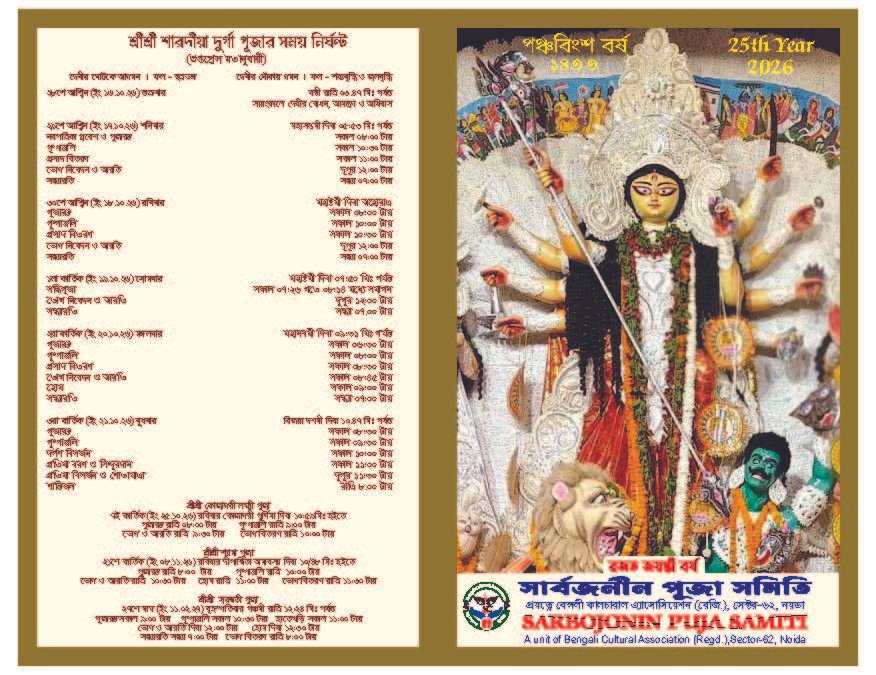
From Maa's arrival on Shashthi to the emotional farewell on Dashami, every day of Durga Puja carries its own story, tradition and emotion.
The beginning of the celebration as devotees welcome Maa Durga with devotion, rituals and joy.
Pushpanjali, rituals and the festive spirit fill the Puja grounds as the celebration comes alive.
A day of deep devotion, Pushpanjali, Sandhi Puja and moments shared with family and the community.
Cultural programs, Dhunuchi dance, music and celebrations bring everyone together.
Sindoor Khela, Visarjan and an emotional farewell to Maa, carrying her blessings in our hearts.
Catch up on our community's latest programs, performances, and memories.
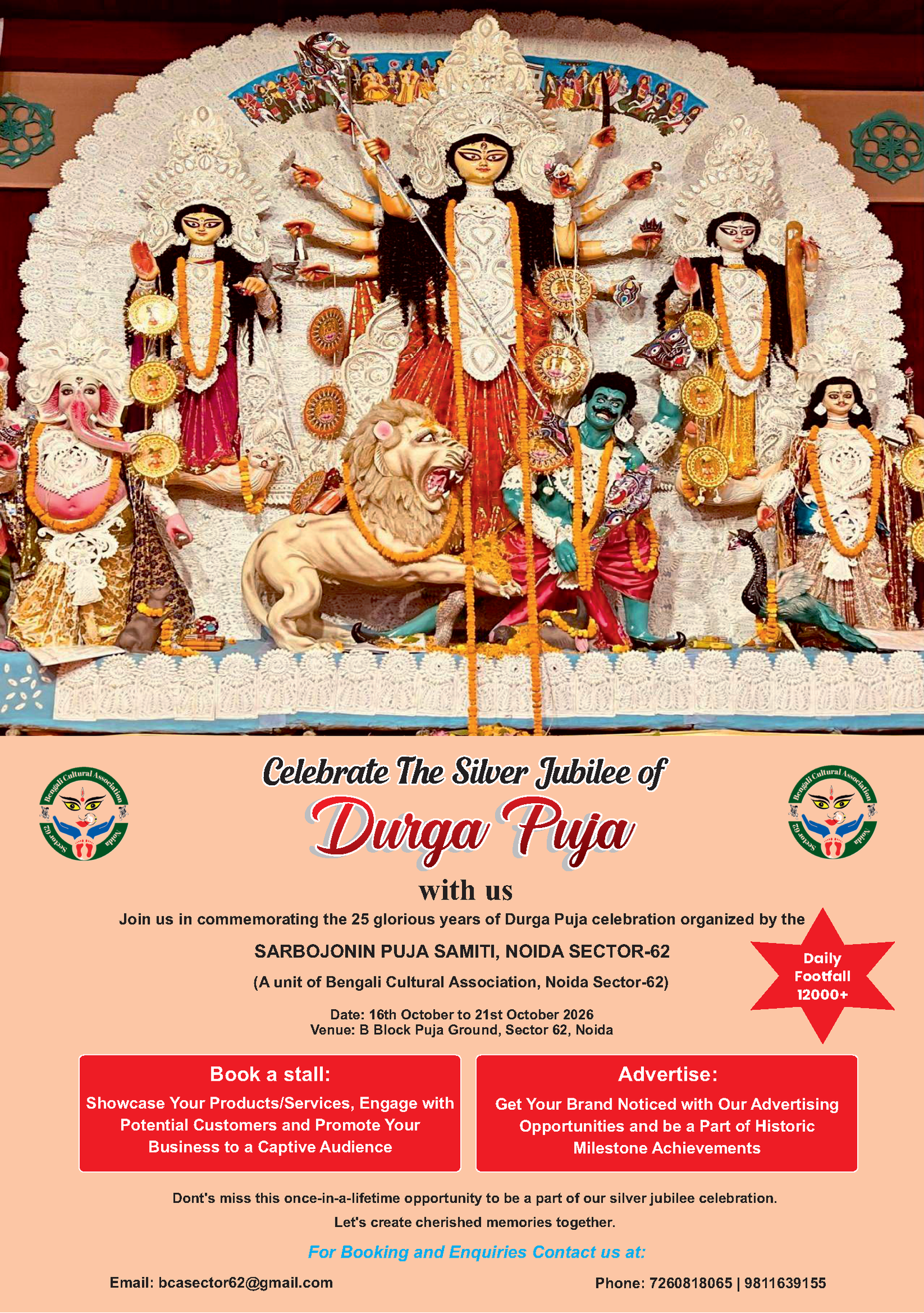
Durga Puja, also known as Durgotsava, is the grandest festival of Bengal, symbolizing the victory of Goddess Durga over the shape-shifting demon Mahishasura. It is not just a religious ritual; it is a five-day carnival of art, music, street food, and community bonding. For Bengalis worldwide, it represents the emotional homecoming of Maa Durga with her children (Lakshmi, Saraswati, Ganesha, and Kartikeya).
The celebration begins on Sasthi with the welcoming rituals and continues through Saptami, Ashtami, Navami, and Vijaya Dashami. Each day has its specific significance. Ashtami afternoon is famous for the grand Pushpanjali and Sandhi Puja, while Navami brings the competitive and rhythmic Dhunuchi dance. The festival is a celebration of craftsmanship, shown in the clay idols sculpted by traditional artisans and the artistic structural pandals.
On the final day of Vijaya Dashami, married women participate in Sindoor Khela, bidding a tearful farewell to the goddess by playing with vermilion before the grand idol immersion (Visarjan). Durga Puja serves as a platform to unite people of all backgrounds, spreading messages of peace, equality, and happiness.
A vibrant space for local businesses, food vendors and artisans to be part of our Durga Puja celebration.
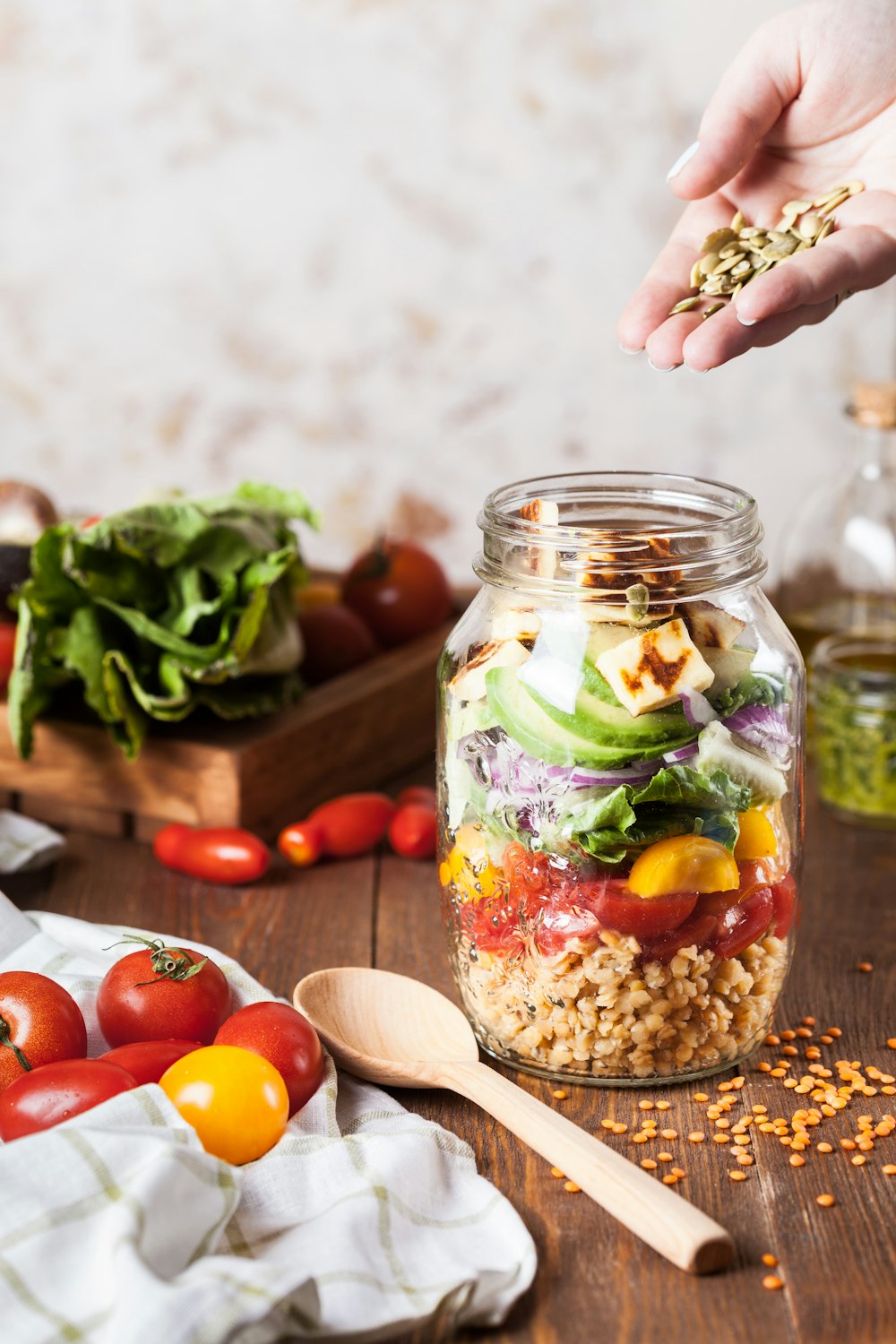
Serve traditional Bengali delicacies, hot savories, and traditional sweets to thousands of visitors.
Food stalls are the busiest section of our Durga Puja festival. Vendors can offer iconic snacks like Phuchka, Kathi Rolls, Mughlai Paratha, fish cutlets, as well as sweets like Roshogolla and Mishti Doi. Booking a food stall ensures direct visibility to over 5,000 daily visitors who attend the cultural and prayer sessions. Additionally, food safety inspection protocols are maintained during the five days to ensure clean operations. Each food stall is situated in a high-density dining zone with access to dedicated cleaning staff, garbage disposal systems, and shared dining tables. This is Noida's premier culinary event, attracting families and food lovers from all across the NCR region for five nights.
A beautiful collection of Maa Durga’s divine moments, vibrant pandal decorations, cultural celebrations, and cherished memories shared together.
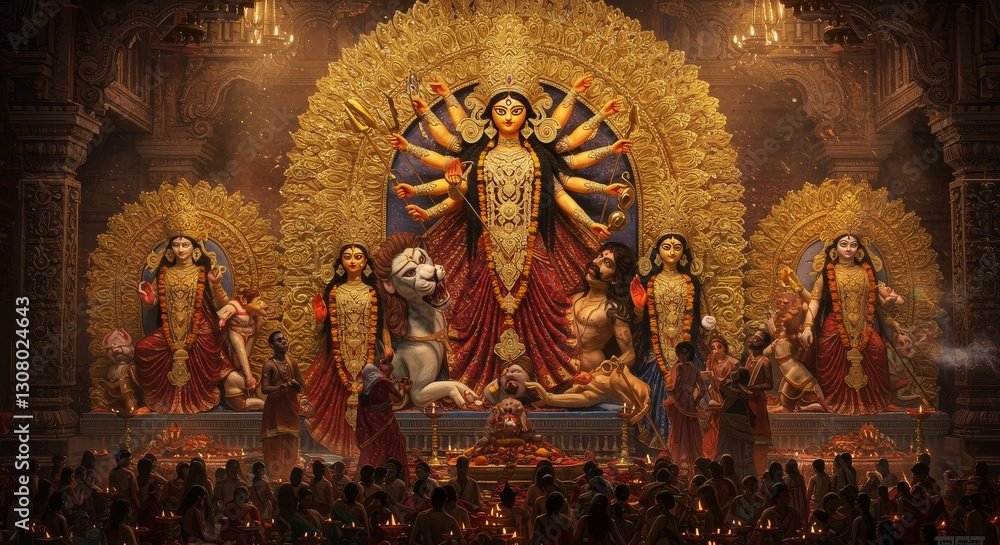
Find key information about attending, volunteering, and participating in our Durga Puja celebration.
Durga Puja is celebrated in the Hindu month of Ashwin (typically falling in September or October). The dates vary each year based on the traditional lunar calendar. The festival spans five days: Sasthi, Saptami, Ashtami, Navami, and Dashami.
Our celebration features daily prayer rituals, pushpanjali, evening sandhya aarati with dhak beats, distribution of bhog prasad, cultural events (dramas, choreographies, choirs), traditional dhunuchi dance competition, Sindoor Khela on Dashami, and the final idol immersion (Visarjan).
Yes, absolutely! Durga Puja is open to everyone, regardless of background, community, or region. We welcome all families, residents, and visitors to join the prayers, rituals, dinners, and cultural evenings.
Yes. Consecrated hot Bhog distribution (typically consisting of khichuri, mixed vegetable labra, sweet chutney, papad, and payesh) is served to all visitors during the afternoons of Saptami, Ashtami, and Navami at our designated distribution counters.
Yes, cultural programs are held every evening from Sasthi to Navami. These feature performances by our in-house children and members, as well as guest recitals by renowned singers, classical musicians, and dance troupes from other regions.
Yes, we offer commercial space for setting up temporary stalls during the five days of celebration. This is an excellent opportunity for food vendors, clothing merchants, toy shops, and local artisans. Stalls must be booked in advance by submitting an inquiry on our Contact page.
Members can sign up for cultural rehearsals or register as volunteers for coordinating safety, food counters, decorations, and welcoming guests. You can fill out a volunteer form or contact any executive committee member to register.
The Durga Puja celebration takes place at our permanent festival grounds located in B-Block Ground (behind Fortis Hospital), Sector 62, Noida. Secure parking and facility arrangements are set up for all attendees.
Be a part of our warm community and help us celebrate, preserve and promote Bengali culture and traditions. Expand your circle, support charity, and give your kids a platform to learn their heritage.